Vacant unit cleaning standards hold up when they are written, room-by-room checklists that every turnover follows, backed by dated photo proof of key rooms and a short punch list for anything missed. When the standard lives on paper instead of in someone's memory, unit 12 comes back looking like unit 4, and small misses get fixed before they cost a lease.
See how we handle shared and vacant spacesEvery property manager has lived the same turnover: one unit comes back spotless, the next has a ring in the tub and dust on every blind slat. The difference is almost never effort. It is whether a written standard exists, whether anyone photographed the result, and whether misses turn into tracked punch items or quiet apologies. This guide gives you a standard you can hand to any cleaner.
Why a vacant unit needs its own written standard
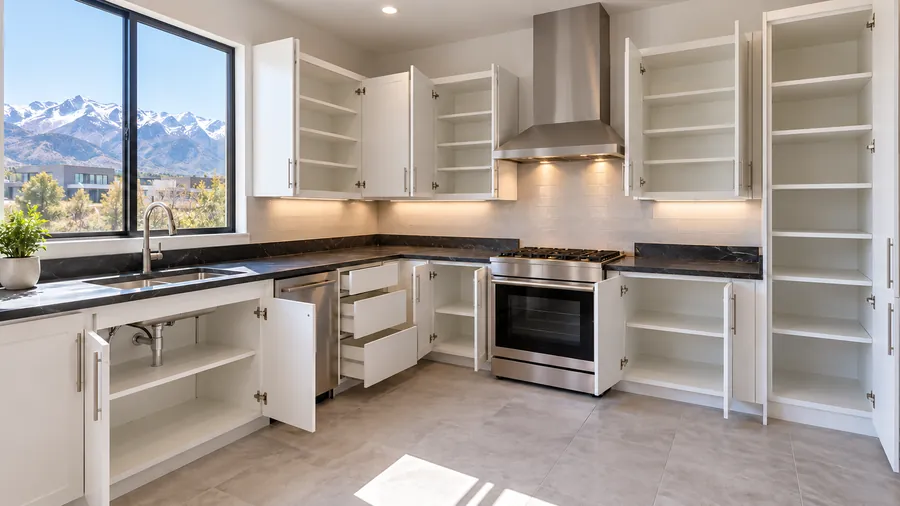
A vacant unit is not a lived-in home with the people removed. Nobody is running water, so dried rings and scale show. Every wall scuff is visible, and dust settles where furniture used to hide. Then the unit gets judged in a five-minute walkthrough where the bathroom and kitchen sink do most of the talking.
A written standard settles three things before the first door opens: what done means in each room, what gets photographed, and what happens when something is missed. Without it, quality depends on whoever cleaned that day. With it, quality depends on the document.
A room-by-room vacant unit standard
Adjust this to your units. The third column matters as much as the second: a photo log turns a claim of clean into proof of clean.
| Area | Vacant-unit standard | Photo to capture |
|---|---|---|
| Kitchen | Counters, sink and faucet degreased; cabinet fronts wiped; stovetop and hood exterior clean; floors mopped | Sink and stovetop from the doorway a prospect sees first |
| Bathrooms | Toilet, tub and shower descaled; mirror and chrome polished; vanity interior wiped; exhaust vent dusted | Shower or tub close-up, mirror and vanity |
| Floors | Vacuumed and mopped throughout, including edges, corners and inside closets | One wide shot per room from the entry corner |
| Walls, doors, trim | Scuffs spot-cleaned within normal wear; switch plates and handles wiped; baseboards dusted | Any wall section that needed extra attention |
| Windows and blinds | Blinds dusted; sills and tracks vacuumed; interior glass spot-cleaned | One blind and one sill close-up |
| Closets and laundry | Shelves and rods wiped; laundry area clean; floors done | Each closet interior |
| Entry and patio | Entry swept; threshold and hardware wiped; patio or balcony swept | Entry from inside the unit |
Treat heavy wall washing, carpet shampooing and post-construction dust as separate jobs with their own scope, not work quietly absorbed into a turnover clean.
Photo proof and the punch list
Photos make a standard enforceable: without them a miss becomes a debate, with them a fact that gets scheduled.
- Photograph each room from the doorway before closing it out, same angles every time
- Close-up what prospects judge first: kitchen sink, stovetop, shower, bathroom mirror
- Batch photos by unit and date for fast checks later
- Log every miss as a punch item: unit number, room, photo, date found
- Set a re-clean window, for example 24 hours, and close each punch item with a new photo
- Review misses monthly and update the standard where the same one keeps appearing
Most teams skip that last step, and it is where consistency comes from: a standard that never changes keeps failing in the same place.
Utah note: In the Salt Lake Valley, hard water leaves rings in idle toilets and scale on faucets and shower glass that stands out in an empty unit. Winter turns also drag road salt and grit into entries, and dry air lets dust build fast on blinds, vents and ledges between tenants. A vacant-unit standard here should name descaling and blind dusting, not leave them to judgment.
Keeping standards consistent across units
Consistency comes from a few boring habits. Keep one current version of the checklist and retire old copies. Clean every unit in the same room order so photos line up for comparison. Use the same supply list everywhere; supplies change results more than most managers expect. Have a supervisor or lead close out each unit against the checklist instead of trusting memory. Compare photo logs across units each quarter; drift shows up fast.
If your turns involve getting a unit empty in the first place, our guide on deep clean vs move-out clean explains how those scopes differ. For the shared spaces around your units, the HOA common area cleaning checklist pairs well with this one.
When it makes sense to bring in a professional crew
An in-house porter can handle turns when volume is low and schedules are loose. Help starts to make sense when turns bunch up at month end, winter weather compresses the window between tenants, or the portfolio outgrows what your team can photograph and punch-list.
A commercial cleaner should start with a walkthrough and a written scope, assign a consistent crew to your properties, and have a supervisor check the work with photo proof after visits. For properties across Salt Lake, Davis, Utah and Summit counties, we work nights, early mornings and weekends so turns finish before showings, at a fixed monthly price. See how we structure this on our HOA and common area cleaning page.
Talk to us about your turnover cleaningQuestions people ask
What should a vacant unit cleaning checklist include?
At minimum: kitchen and bathroom detailing, floors including edges and closets, walls and trim spot-cleaned, blinds and sills dusted, entry swept. Say what done means per room and which photos prove it, so any cleaner gets the same result.
How do you document that a vacant unit was actually cleaned?
With a dated photo log. Shoot each room from the same doorway angles every turnover, plus close-ups of the sink, stovetop, shower and mirror. Store photos by unit and date so any turnover is verifiable later.
What is a punch item in turnover cleaning?
A documented miss: unit number, room, photo and date found. It gets assigned, re-cleaned within a set window, and closed with a new photo. Tracking punch items over time shows where your written standard needs to get more specific.
Can cleaning happen while showings are scheduled?
Yes, with planning. Finish the kitchen and primary bathroom first since prospects judge those most, and schedule the final floor mopping after the last showing. Many commercial crews, including ours, can work evenings and weekends so the unit is at standard before doors open.