Reducing indoor allergens comes down to three habits: vacuuming slowly with a true HEPA filter, washing bedding weekly in hot water, and keeping humidity between 30 and 50 percent. Together these starve dust mites, trap pollen and remove pet dander before it builds up in soft surfaces.
See the price for an allergen-focused cleanDust mites, pollen and pet dander are the three allergens that cause the most trouble in Utah homes, and they behave very differently. Mites live in soft surfaces, pollen rides in from outside, and dander comes from the animals we love. A home that feels clean can still hold high levels of all three. This guide walks through how each one accumulates, the tools that remove it, and a weekly checklist that keeps all three under control.
Dust mites: the indoor resident
Dust mites live in mattresses, pillows, upholstered furniture and carpet, feeding on flakes of skin. You cannot see them, and you cannot vacuum a mattress enough to remove them entirely. What works is making their environment hostile:
- Wash sheets, pillowcases and blankets weekly in hot water, at least 130 degrees, and dry them fully.
- Encase mattresses and pillows in allergen-proof covers. This traps the mites already inside and blocks new ones.
- Keep bedroom humidity under 50 percent. Mites absorb moisture from the air, and Utah's dry climate is a real advantage here.
- Reduce dust collectors in bedrooms: heavy drapes, fabric headboards and piles of decorative pillows all hold mites.
A weekly hot wash of bedding does more for mite control than any spray or gadget.
Pollen: the seasonal invader
Pollen enters on shoes, clothes, pets and open windows. Utah's long growing season and strong canyon winds mean pollen counts spike hard in spring and again in fall, and breezy days push it straight through open doors and screens. The defense is keeping it from spreading past the entry:
- Keep windows closed on high-pollen days and rely on filtered air instead.
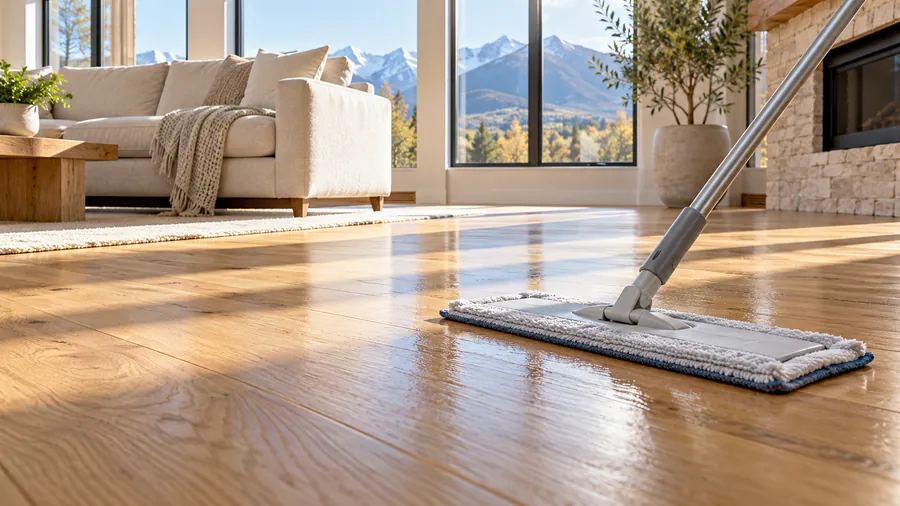
- Make the entry a pollen trap: shoes off, jackets hung, a mat outside and a hard floor inside that gets damp-mopped often.
- Wipe pets' paws and coats with a damp cloth after outdoor time, especially in spring.
- Shower and change clothes after long stretches outside on heavy pollen days, and keep outdoor clothes out of the bedroom.
Pet dander: the constant source
Dander is made of tiny skin flakes that stick to everything fabric: sofas, curtains, bedding, carpet. It is lighter than dust and stays airborne for a long time, which is why dander control is really an air and fabric problem:
- Vacuum upholstered furniture weekly with a HEPA filter and an upholstery attachment, not just the carpet.
- Wash pet bedding and blankets weekly in hot water, on its own cycle.
- Keep pets out of bedrooms if anyone in the home reacts to dander, since we spend about a third of life in bed.
- Brush and groom pets regularly, outdoors, to remove loose dander before it sheds indoors.
HEPA vacuuming, done right
A HEPA filter only helps if the vacuum actually pulls fine particles out of carpet and holds them. Technique matters as much as the machine:
- Empty the canister or check the bag before you start. A full container kills suction.
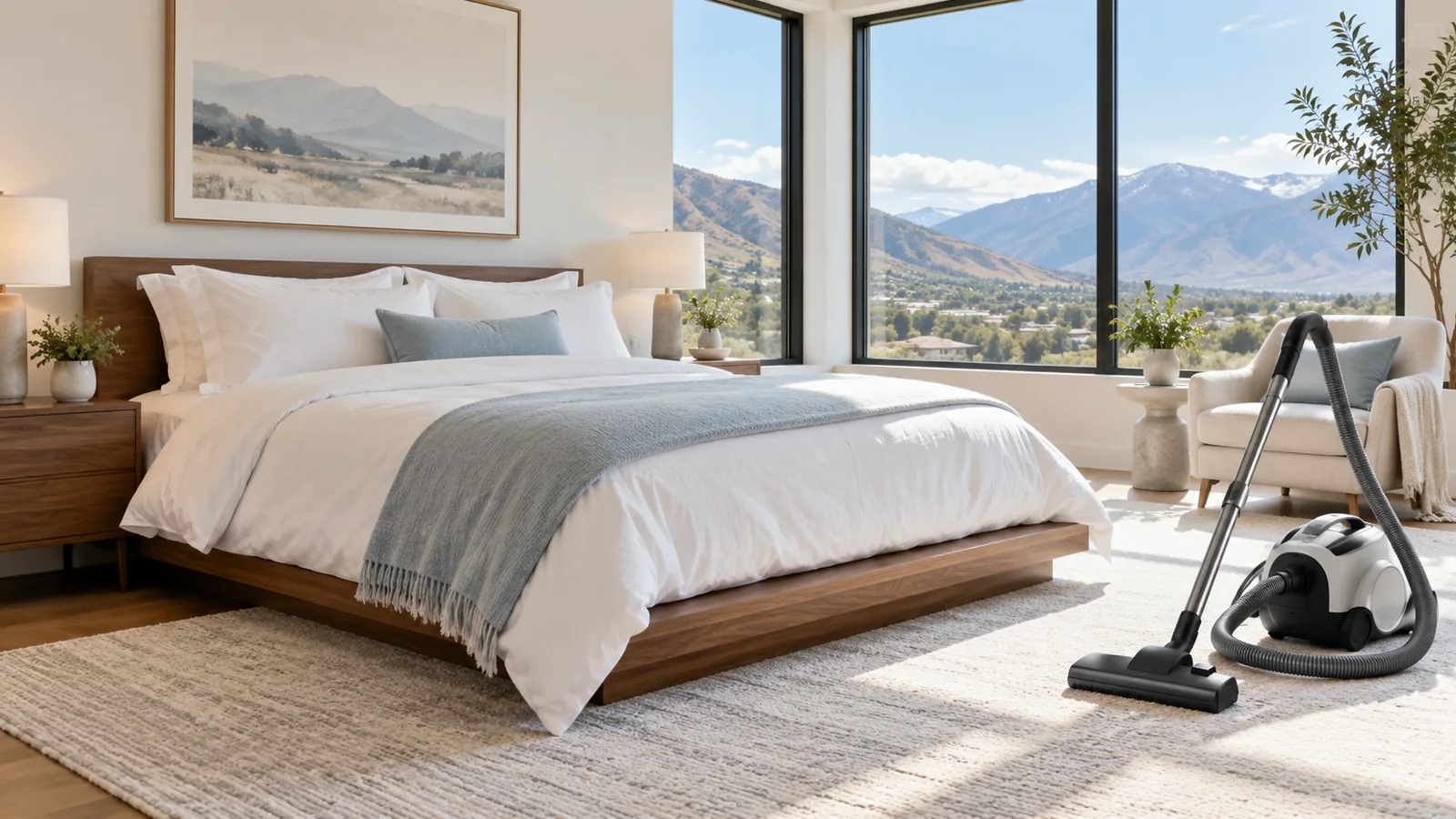
- Vacuum slowly, about one pass per second, and overlap each pass. Fast pushing just bounces the brush over the top.
- Work from the far corner toward the door, and hit high-traffic lanes twice.
- Go over hard floors with the hard-floor setting or a soft brush so the beater bar does not fling fine dander into the air.
- Vacuum upholstered furniture and mattress surfaces monthly with the upholstery tool.
Utah note: Spring in the Salt Lake Valley brings strong canyon winds that carry tree and grass pollen for miles, right through open windows and doors. On windy spring days, keep windows shut, damp-mop entries daily, and check pets' coats before they come back inside.
A weekly anti-allergen checklist
Run this once a week, about 90 minutes for a typical home, and allergens stay low without a huge time cost:
- Wash all bedding in hot water and dry it fully, including duvet covers
- Vacuum all carpet and rugs slowly with a HEPA filter, overlapping passes
- Vacuum sofas, chairs and pet beds with the upholstery attachment
- Damp-mop hard floors, working from the far corner to the door
- Damp-dust bedroom furniture and window sills where pollen settles
- Empty vacuum canister or replace the bag, outdoors
- Wipe down pet feeding mats and the entry floor where pollen collects
- Check the bedroom humidity reading and adjust the humidifier if needed
When professional cleaning makes sense
The weekly checklist above is very effective, but a few jobs go faster with a crew and professional equipment: a full-home vacuum and mop pass, damp dusting of every reachable surface, and a first deep reset of built-up dander in carpet and upholstery. A standard visit for a 3-bedroom home starts at $289, and every visit follows our written room-by-room checklist with photo proof of key rooms. Recurring plans lower the per-visit price. See your flat price instantly at our booking page. For a ready-made routine that pairs well with this checklist, see our biweekly house cleaning checklist.
Get your flat price in 60 secondsQuestions people ask
Does vacuuming with HEPA actually reduce allergens?
Yes, when it is done slowly and regularly. A HEPA filter captures fine particles like dander and mite debris instead of blowing them back into the air. Slow, overlapping passes pull more from carpet than quick pushes, and weekly vacuuming keeps levels from rebuilding.
How often should bedding be washed for allergies?
Weekly in hot water of at least 130 degrees, dried fully. Sheets, pillowcases and blankets all matter, and allergen-proof covers on mattresses and pillows cut how much washing alone has to accomplish. Pet bedding should be on the same weekly schedule.
What indoor humidity level keeps dust mites down?
Below 50 percent relative humidity. Mites pull moisture from the air and struggle in dry conditions, which makes Utah's climate an advantage. A hygrometer in the bedroom tells you the real number, since whole-home readings can differ from room to room.
Can cleaning reduce pet dander if we keep our pets?
Yes. Regular grooming outdoors, weekly hot washes of pet bedding, HEPA vacuuming of furniture and carpets, and keeping pets out of bedrooms all lower dander levels noticeably. The goal is removing dander as it sheds, not removing the pet.