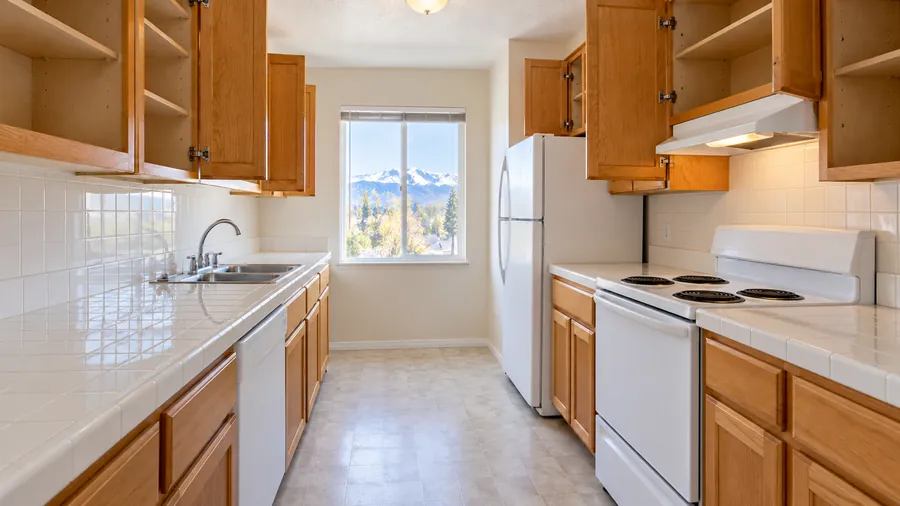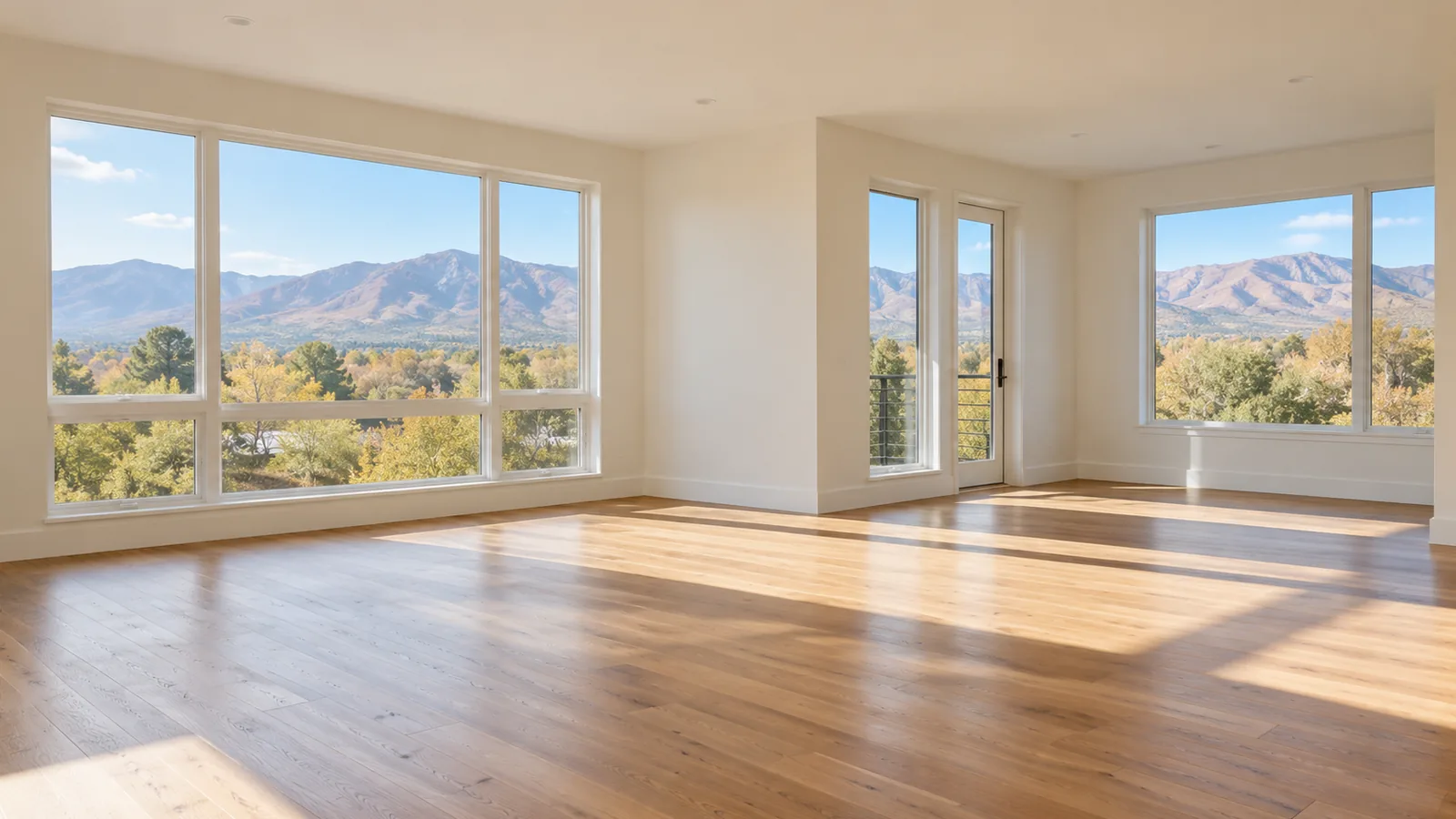
Rental turnover cleaning is a top-to-bottom clean of a unit between tenants: every room, plus the fixtures, floors and details a new tenant notices on day one. Schedule it after repairs and paint touch-ups are finished, photograph each room for the deposit file, and work from a written checklist so no unit depends on memory. A consistent scope shortens vacancies and makes deposit disputes easier to settle.
See how a crew handles turnover cleaningThe days between one tenant leaving and the next moving in are the most expensive days a rental unit has. Every extra day of cleaning or repair is a day of lost rent, and every corner skipped is a complaint waiting to happen. A clear turnover scope, a fixed order of operations, and a photo record turn that window from a scramble into a routine.
What turnover cleaning covers
A turnover clean is closer to a move-out clean than a regular tidy. The unit is empty, so everything is reachable, and the standard is what a new tenant will judge on the first walkthrough. Our crews work from a written room-by-room scope like this one:
| Area | Turnover scope |
|---|---|
| Kitchen | Counters, sink, faucet and drain detail, cabinet fronts and handles, stovetop and hood, backsplash, floor edges |
| Bathrooms | Toilet, tub and tile, shower glass and fixtures descaled, mirror, vanity, exhaust fan cover, floor behind the toilet |
| Every room | Baseboards, door and switch plates, window sills and tracks, closet shelves and rods, ceiling fan and vents in reach, light fixtures |
| Floors | Vacuum and mop throughout, including closets and inside the linen closet |
| Walls and doors | Spot clean of scuffs and handprints around handles and switches |
| Exterior | Patio or balcony sweep, entry and mailbox area wiped down |
If you also manage short-term units, the scope overlaps with a vacation rental turnover, but the standard is different. Our guide on deep clean vs move-out clean explains where the two services split.
The turnover sequence: repairs first, cleaning last
The most common turnover mistake is cleaning before the work is done. Dust from paint, drywall and fixture swaps lands on every clean surface, and the crew has to redo it. Keep the order fixed:
- Move-out inspection. Walk the empty unit the day the tenant leaves, camera in hand, and compare against the move-in record.
- Repairs and paint. Patch holes, fix drips and running toilets, touch up walls, replace anything broken. Allow surfaces to cure.
- Turnover clean. Top to bottom, back to front, with the checklist above. This is the last trade in the unit before keys change hands.
- Final walkthrough and photos. Photograph each room in the same order and angles as the move-in set.
- Deposit decision and listing. Settle the deposit from the photo record, then list with fresh photos of a genuinely clean unit.
Test any new cleaner on a hidden spot first and follow the maker's care instructions, especially on countertops, fixtures and flooring that are still under warranty.
Photos for the deposit file
Photos do two jobs at once: they settle deposit questions and they document the condition you handed over. Keep it simple and repeatable:
- Shoot every room from the doorway, then one close-up of each wall with visible marks
- Photograph appliance interiors, the oven and the fridge, before and after cleaning
- Capture bathroom fixtures, shower glass and any scale or staining that predates the tenant
- Zoom in on carpet stains, floor scratches and countertop chips next to a dated reference
- Name files by unit, room and date so the move-in and move-out sets line up side by side
A tenant who sees a timestamped photo of the oven they left behind rarely argues. A tenant shown a vague charge with no photo almost always does.
Utah note: Winter move-outs here track in road salt and grit that dries into a white film along baseboards and floor edges, and hard water leaves scale on shower glass and faucets even in a well-kept unit. A turnover clean that skips those two spots will not pass a picky walkthrough, so they belong on the written scope, not left to memory.
When a professional turnover crew makes sense
One or two doors are easy to handle yourself. The math changes as the portfolio grows, because every day a unit sits costs more than the clean. A professional setup looks like this: a walkthrough to set the scope, a written checklist for the unit, an assigned crew that learns your standard, and a supervisor check with photo proof after each visit. Work can be scheduled at night, early morning or on weekends so it lands between leases without stretching the vacancy.
We serve landlords and property managers across Salt Lake, Davis, Utah and Summit counties with fixed monthly pricing for recurring turnovers, never hourly. Every cleaner passes a background check and drug test before their first job, and the company carries general liability insurance. You can see how we structure commercial work on our common area cleaning page, or get a price online for a single unit.
Plan your next turnover cleanQuestions people ask
Should I clean or repair first during a turnover?
Repair first, clean last. Dust and drips from patching, painting and fixture work will land on freshly cleaned surfaces, which means paying for the same clean twice. Let paint and caulk cure, then run the full turnover clean as the final step before the walkthrough.
How long does turnover cleaning take for a typical apartment?
For a standard apartment in normal condition, a trained crew can usually finish in one working visit, while a house or a unit with heavy buildup takes longer. The biggest variables are condition, carpet stains and how much detail work the bathrooms need. A written scope set at a walkthrough keeps the estimate honest.
What photos should a landlord take between tenants?
Shoot every room from the doorway, plus close-ups of any damage, appliance interiors, bathroom fixtures, carpet stains and countertop chips. Save the set with the unit number and date. Timestamps turn deposit conversations from arguments into file lookups.
Can turnover cleaning be scheduled on weekends?
Yes. Turnovers live between leases, so crews that work nights, early mornings and weekends keep your vacancy window short. Schedule the clean the moment the move-out date is confirmed, and hold a backup slot in case repairs run long.